Health Clinic Scheduling & Billing (Acupuncture, Massage, Wellness)
Health clinics offering acupuncture, massage, chiropractic, naturopathy, and wellness services need more than a calendar. Integrated scheduling, billing, insurance handling, and practitioner management all need to work together. Here’s what to look for and how to set it up.
Why health clinics need specialized software:
- Insurance integration (accept insurance, track copays)
- Billing and invoicing (track patient balance and payment history)
- Practitioner management (multiple providers with different schedules)
- Intake forms (medical history, allergies, contraindications)
- Appointment history (track progression and outcomes)
- Product sales (oils, supplements, herbs sold during sessions)
- Package deals (10 sessions for $X, tracked per patient)
- Compliance (HIPAA, privacy, secure medical data storage)
Health clinic workflow: Patient journey
New patient:
-
Discovery: Patient finds the clinic via website or referral. Sees “Book appointment” button.
-
Booking: Views available practitioners and times. Chooses a specific practitioner or “next available.” Completes the online intake form. Gets confirmation email and SMS reminder.
-
Pre-appointment: Reminder 24h before via SMS or email. Second SMS 1h before. Patient can confirm attendance to reduce no-show risk.
-
Visit: Practitioner reviews intake form before the patient arrives. Treatment given. Visit documented with notes and outcome. Products sold if applicable.
-
Billing: Insurance copay collected at the visit. Patient balance tracked if using a package. Invoice sent for out-of-pocket patients.
-
Follow-up: Practitioner sees appointment history on next visit. Can recommend next treatment based on progression and remaining package sessions.
Returning patient: Books next appointment with pre-loaded history. Gets reminders. Practitioner has full notes from all previous visits. Billing tracks sessions used and balance.
Key features for health clinics:
Multiple practitioner management
- Separate availability for each provider
- Client books a specific practitioner or “next available”
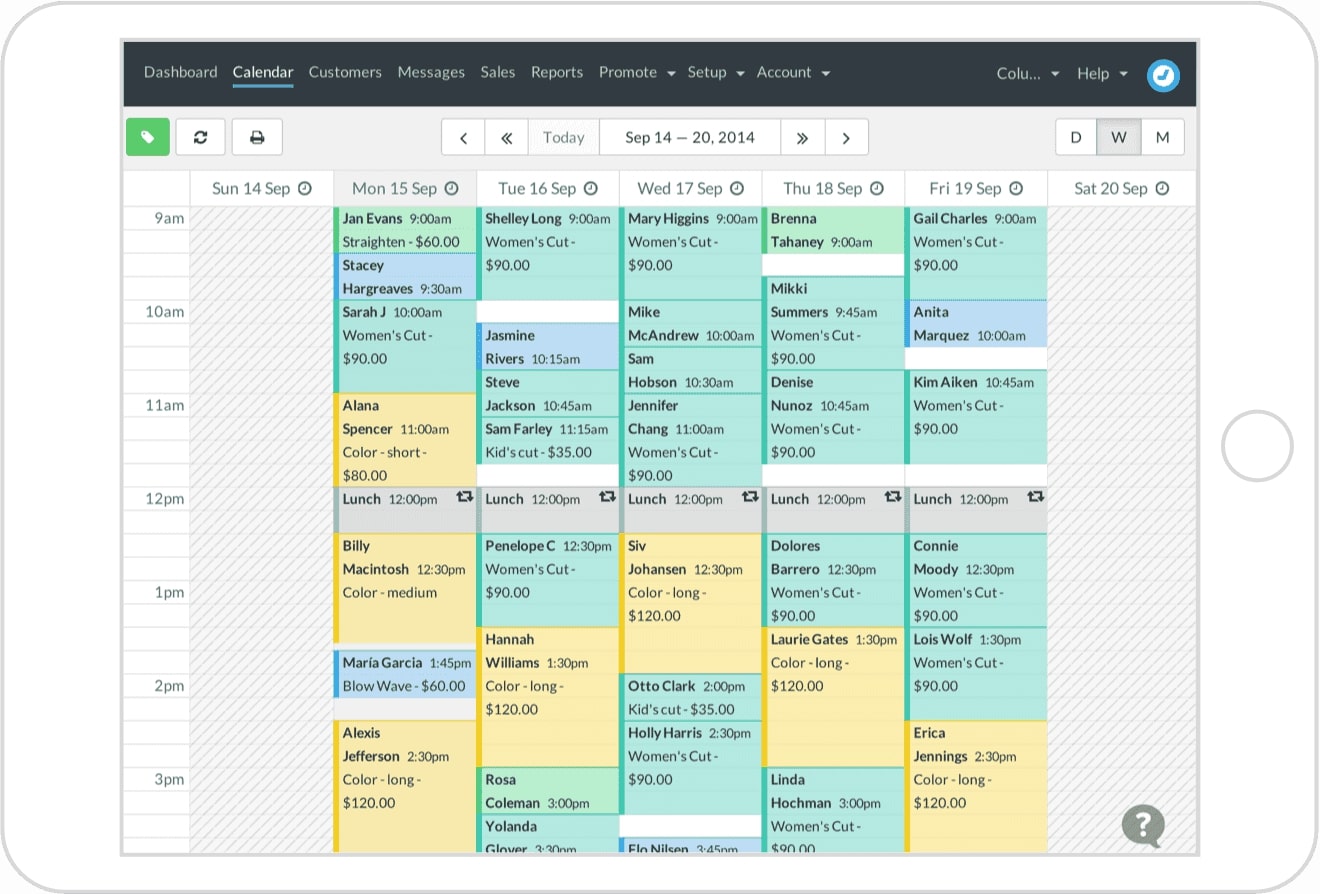
- Team calendar visible to all (prevents double-booking)
Appointment types
- Acupuncture (60 min)
- Massage (60-90 min)
- Consultation (30 min)
- Follow-up (45 min)
- Cupping (45 min)
- Each with its own pricing
Intake forms
- Medical history, medications, allergies
- Contraindications the practitioner must know before treatment
- Previous treatments to inform the current approach
- Insurance information for billing
- Emergency contact
Billing and insurance
- Insurance copay collection at the visit
- Multiple payment methods (cash, card, check)
- Track patient balance
- Invoice generation
Package deals
- “10-session package: $450 ($45/session)”
- Tracks sessions used vs. remaining
- Auto-invoice when all sessions are used
- Encourages commitment and improves cash flow
Product sales
- Track oils, supplements, and herbs sold
- Add to invoice automatically
- Manage inventory and set reorder alerts
- Calculate margin per product
Appointment notes
- Document treatment given and patient response
- Recommendations for follow-up
- Notes visible to all practitioners for continuity
Reminders
- Email 24h before (informational)
- SMS 1h before (higher attendance impact)
- SMS confirmation request for attendance
Medical records
- HIPAA-compliant data storage
- Accessible only to authorized practitioners
- Audit trail showing who accessed records and when
Reporting
- Revenue by practitioner
- Most popular treatments
- No-show rate by time slot and practitioner
- Patient retention rate
Top apps for health clinics with 5-10 staff:
Mindbody (Best comprehensive)
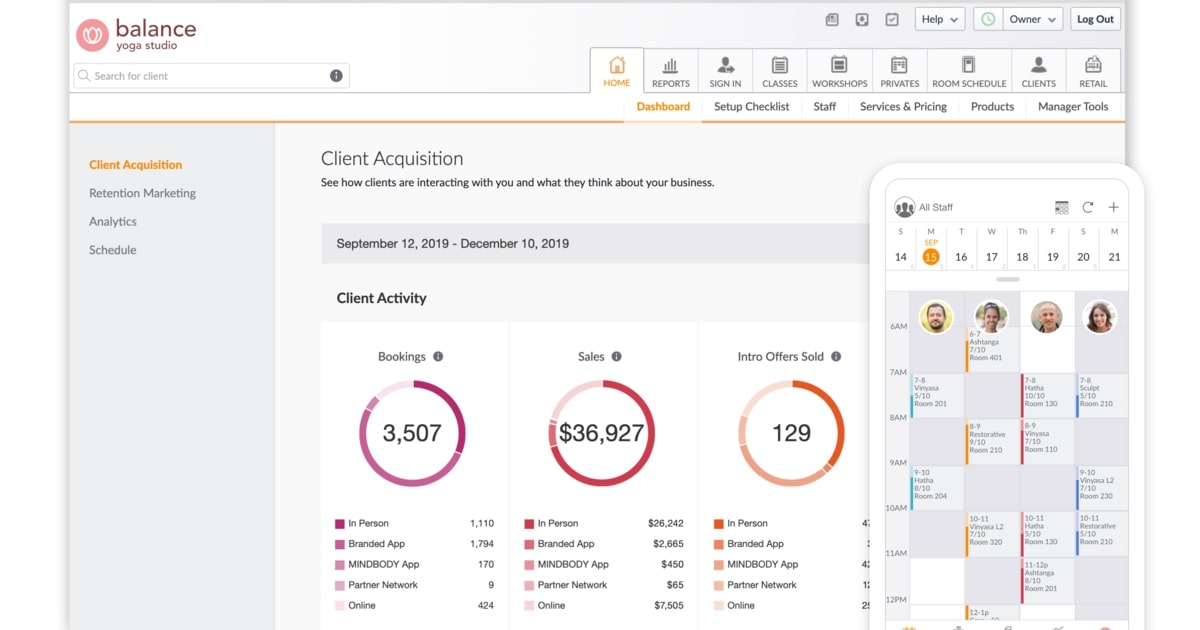
- Full-featured scheduling plus billing, intake forms, inventory, payroll
- Patient CRM with history and preferences
- Insurance integration for copay tracking
- Multi-location support and reporting
- Cost: $99+/month (Starter); $259+/month for advanced reporting and resource management
- Best for: Established clinics with 5-10+ practitioners needing everything
Gettimely (Best for wellness clinics)
- Scheduling, billing, and invoicing
- Multi-practitioner management with client CRM
- Integrations: QuickBooks, PayPal, Stripe, Xero
- Inventory management included
- Cost: $11+/month (Starter); $20+/month (Premium)
- Best for: Smaller clinics wanting flexibility and good integrations
Vagaro (Best for freelance practitioners)
- Appointment booking with billing and invoicing
- Client CRM and portfolio
- Payment processing built in
- Cost: $40+/month
- Best for: Solo practitioners and small teams
FrontDeskChat (Best affordable option)
- Appointment booking with SMS and email reminders
- Online payment processing via Stripe
- Basic client CRM
- Cost: Free to $8-18+/month
- Limitation: Limited billing, no insurance integration
- Best for: Solo practitioners and simple clinics on a budget
Acuity Scheduling (Best middle ground)
- Multiple service types with different pricing
- Intake forms, SMS and email reminders
- Client history and payment processing
- Cost: $20-61/month (monthly); $16-49/month (annual)
- Best for: Small clinics wanting a solid features-to-cost ratio
Implementation guide: Health clinic scheduling (5-10 staff)
Phase 1: Choose a platform (2-4 hours) Trial Mindbody, Gettimely, and Acuity. Compare features against your actual workflow. Choose based on practitioner count, insurance requirements, and budget.
Phase 2: Build the intake form (2 hours)
- Medical history and current medications
- Allergies and contraindications
- Previous treatments and what helped
- Insurance information
- Emergency contact
- Consent to treatment
Phase 3: Create appointment types (2 hours)
- Acupuncture initial (60 min, $100)
- Acupuncture follow-up (45 min, $75)
- Massage (60 min, $100)
- Herbal consultation (30 min, $50)
- Cupping (45 min, $75)
- Package options (5 sessions, 10 sessions at discounted rates)
Phase 4: Set up practitioners (1 hour)
- Add each practitioner with name and specialties
- Set availability by working days and hours
- Configure calendar visibility permissions for the team
Phase 5: Set up payments (1 hour)
- Connect Stripe or PayPal
- Set copay options by insurance carrier
- Configure deposit requirements
- Set up billing reminder sequences
Phase 6: Configure billing and insurance (2 hours)
- Enter accepted insurance carriers
- Set copay amounts per carrier
- Set up invoice format and content
- Configure payment plans if you offer them
Phase 7: Add product inventory (optional, 1 hour)
- List all products sold (oils, supplements, herbs)
- Set retail pricing
- Track stock and set reorder alerts
Phase 8: Configure reminders (30 minutes)
- Email 24h before
- SMS 1h before with attendance confirmation request
- Customize message content for your clinic’s voice
Phase 9: Train staff (2 hours)
- How each practitioner views their daily appointments
- How to add notes to patient files
- How to book follow-ups and manage cancellations
- How to process refunds
Phase 10: Test the full flow (1 hour)
- Book a test appointment as a patient
- Review intake form collected
- Verify confirmation and reminders arrive
- Verify practitioner sees appointment and billing appears correctly
Total setup time: 15-20 hours
Health clinic best practices:
Require SMS confirmation before each visit
- Send SMS 24h before: “Reply YES to confirm”
- No response: send a follow-up before assuming cancellation
- Reduces no-shows by 40-50%
Request feedback after every visit
- “How was your experience? [5-star link]”
- Identifies unhappy patients before they leave
- Builds Google and Yelp reviews
Track treatment outcomes
- Practitioner notes: chief complaint, treatment, response
- Follow-up: compare to previous visit
- Is the patient improving, stalled, or declining?
- Use this to recommend next steps with confidence
Introduce packages at the third appointment
- “You’ve been in 3 times now. Switching to a 10-session package saves you 20%.”
- Patients who buy packages show up more consistently
- Revenue becomes more predictable
Manage insurance claims clearly
- Explain: “Your copay is $30. We bill insurance for the rest.”
- Collect copay at the visit, send claim separately
- Track reimbursement status and patient balance owed
Block realistic buffer time
- 10 minutes between patients for documentation and cleanup
- Block lunch and admin time
- Mark vacation days in advance
Accept walk-ins carefully
- Most health clinics should limit or avoid walk-ins
- If you do accept them, keep 1-2 slots daily for emergencies
- Charge a same-day premium ($20-30 more) to keep scheduling incentives aligned
Track no-show patterns
- Which times have the highest no-show rates?
- Adjust reminder timing or require prepayment for high-risk slots
Encourage online reviews
- After a positive visit: “Leave us a review! [Google/Yelp link]”
- Target 3-5 new reviews per month
- Reviews drive new patient bookings more than almost anything else
Real-world example: Acupuncture clinic with 5 practitioners
Clinic: Acupuncture and massage, 5 practitioners, 30-50 patients per day
Setup: Mindbody for scheduling, CRM, and billing. Stripe for payments. Email and SMS reminders.
Morning: Practitioners log in and review today’s appointments plus patient notes from intake forms. Check previous visit notes to track progression.
Patient booking: Visits website, clicks “Book appointment.” Sees available practitioners and times. Fills intake form if new. Gets confirmation email and SMS reminder.
24h before: Automated SMS: “Your acupuncture with Sarah tomorrow at 2 PM. Reply YES to confirm.” 75% confirm immediately.
1h before: Automated SMS: “Hi! Your appointment is in 1 hour at [Address]. Sarah is ready!”
During visit: Practitioner reviews patient history. Performs treatment and documents notes. If selling herbal oils, adds to the bill automatically. Patient pays copay or full amount.
After visit: SMS: “Thanks for visiting! Rate your experience: [link].” Email: “Your appointment notes. Follow-up recommended in 1 week.”
Results:
- No-show rate: 8% (down from 18%)
- Patient retention at 2+ visits: 65%
- Average revenue per patient: $150-200
- Average review rating: 4.7/5
Insurance billing for health clinics:
How it typically works:
- Patient copay ($30-50) collected at the visit
- Clinic submits claim to insurance
- Insurance reimburses the clinic (usually 70-80% of billed amount)
- Any patient balance beyond copay gets invoiced separately
Software requirements:
- Track copay collected
- Store insurance carrier, member ID, and group number
- Generate itemized invoices with treatment codes
- Track what’s been billed to insurance and what’s been reimbursed
- Show patient balance owed
Best apps for insurance:
- Mindbody: copay tracking and insurance submission support
- Gettimely: copay tracking with billing integration
- FrontDeskChat: no native insurance support (use separate billing)
Package deals and patient retention:
Strategy: Sell treatment packages to increase commitment and create predictable revenue.
Example pricing:
- Single acupuncture session: $100
- 5-session package: $450 ($90/session, saves $50)
- 10-session package: $850 ($85/session, saves $150)
How it works:
- New patient books first visit
- During the visit: “This condition typically takes 3-5 treatments. Want to lock in a package?”
- Patient buys 5-visit package ($450)
- System tracks: 1 of 5 visits used
- At visit 4: “You have 1 visit remaining. Ready to buy another package?”
Patients who buy packages cancel less, show up more consistently, and achieve better outcomes.
Multi-location clinic management:
Challenge: Clinic has two offices (downtown and uptown). Practitioners work at different locations.
Solution:
-
Assign practitioners to their locations: Sarah is downtown only, Mike covers both, Lisa is uptown only.
-
Patient sees both location and time: “Sarah, acupuncture, Monday 2 PM (downtown)” or “Mike, acupuncture, Monday 3 PM (uptown).”
-
Centralized billing: all locations bill to the same account. Revenue reports by location show which is most profitable.
Common health clinic mistakes:
- No reminder system: no-show rates stay at 20%+
- No intake forms: practitioners repeat the same questions every visit
- No clinical notes: practitioner unsure what was done previously
- Manual billing: slow collections and accounting errors
- No package deals: revenue that could be locked in upfront isn’t
- Overbooking practitioners: burnout and quality decline
- No insurance integration: manual claims and slow reimbursement
- Not requesting feedback: no idea patients are unhappy until they stop coming
- No follow-up automation: patients forget to book their next appointment
- Not tracking outcomes: no way to measure if treatments are working
Health clinic metrics to track:
| Metric | Target |
|---|---|
| No-show rate | Under 10% |
| Average revenue per patient | Track monthly trend |
| Package conversion rate | 30%+ of repeat patients |
| Patient retention (2+ visits) | Over 60% |
| Average visits per patient | Higher is better |
| Revenue by practitioner | Identify top performers |
| Insurance reimbursement rate | Track what’s being paid vs. billed |
| Patient satisfaction | 4.5+ stars |